Update on Pennsylvania Nutrient Trading

I met Pat O’Connell, President of Evergreen Conservation Finance, at the Katoomba Meetings. Yesterday we had a broad discussion on ecosystem service finance, conservation finance, and utility finance. He brought up the following recent news on Pennsylvania’s nutrient trading program:

“Robert J. Fisher, President of R. J. Fisher & Associates and Chairman
of the Pennsylvania Builders Association’s Chesapeake Bay Tributary
Strategy Task Force, expressed disappointment that proposals to enhance
certain aspects of the state’s trading program did not move forward at
budget time. “Nutrient trading holds significant promise for holding costs
down and accommodating future economic growth,” Fisher said. “But due to a
number of flaws with the current structure and implementation of the
trading program, it has not been viewed as a viable option either by
potential credit users or generators. We had hoped that our recommendations
for the program could have moved forward before the summer recess, as
opportunities are lost with each month that the trading program needs are
left unresolved.

“Fisher did note the Senate will schedule a hearing on nutrient credit
trading legislation introduced by Sen. Vance (R-Cumberland). He also
reported that SB 1341 was amended last week to include the purchase or
trading of nutrient credits as an allowable use of those funds.”

Creating a Stormwater Utility

We were having a discussion yesterday with Margherita Pryor of our regional EPA office and she brought up this presentation on creating a stormwater utility. It was interesting for several reasons….gives a reasonable method to ‘slice’ the problem of urban stormwater management using impervious surface areas, shows an adequate willingness to pay in several hundred communities, creates an approach to determining feasibility.

Margherita also drew a parallel to our bobolink project – where we’re developing a community market for wildlife habitat preservation. She referred to it as a ‘bobolink utility’. The definition of a utility is ‘a company providing something useful to the public’. Traditionally, we’ve used that structure for electric power, gas, water, telephone. Interestingly, the ‘useful to the public’ implies a social responsibility that separates the service from other commercial services. Obviously, new ecological and environmental knowledge (and a number of environmental problems) is quickly making us realize that the ethical implications are there in all goods and services. 

(Note: The file takes a minute to download.) 

Stormwater Utility Presentation

Purdue Top Farmer Crop Workshop

I came across this Indiana conference that begins July 20th….it struck me because I believe ‘Top Farmer” is a known term in agriculture…also “Top Producer” as in Top Producer Magazine. Not to be naive, but does it make ANY sense to segregate agriculture in this way? What about the ‘Not So Top” Farmers?

The Conference agenda (http://www.agecon.purdue.edu/topfarmer/conference2008.asp) is as interesting as the conference title. My educational background is from a small Indiana engineering school, Rose-Hulman Institute of Technology, so I understand the drift of the conference sessions; but the ‘industrialization’ of the language of farming and the penchant for words from the world of sports is sad.

Don’t misunderstand, I understand the sincerity and the good intentions of the conference and the participants….I just wonder how quickly we can change the concepts to be kinder (ecologically inclusive) and broader (more farmers in the door).

Vegetarianism and Water

I am not a vegetarian…but eat almost no meat and, perhaps stupidly, have not thought much about the environmental impacts of meat production. I just received an email pointing out the following post:

I’ve been vegetarian since 1982. I attended my first anti-vivisection protest in the spring of 1985 at UC San Diego, when anti-apartheid demonstrations were taking place. I first got interested in promoting vegetarianism in mainstream society after reading John Robbins’ Diet for a New America (1987). Nominated for a Pulitzer Prize, it makes veganism seem as reasonable and mainstream as recycling.

Half the water consumed in the U.S. goes to irrigate land growing feed and fodder for livestock. Huge amounts of water wash away their excrement. U.S. livestock produce 20 times as much excrement as does the entire human population; creating sewage which is 10 to several hundred times more concentrated than raw domestic sewage. Animal wastes cause 10 times more water pollution than does the U.S. human population; the meat industry causes 3 times as much harmful organic water pollution than the rest of the nation’s industries combined. Meat producers are the number one industrial polluters in our nation, contributing to half the water pollution in the United States.

Joanna Macy, author of Despair and Personal Power in the Nuclear Age, depicts the advantages of America moving towards a vegan diet in her foreword to Diet for a New America:

“The effects on our physical health are immediate. The incidence of cancer and heart attack, the nation’s biggest killers, drops precipitously. So do many other diseases now demonstrably and causally linked to consumption of animal proteins and fats, such as osteoporosis…

“The social, ecological, and economic consequences, as we Americans turn away from animal food products, are equally remarkable. We find that the grain we previously fed to fatten livestock can now feed five times the U.S. population; so we have become able to alleviate malnutrition and hunger on a worldwide scale…

“The great forests of the world, that we had been decimating for grazing purposes, begin to grow again. Oxygen-producing trees are no longer sacrificed for cholesterol-producing steaks.

“The water crisis eases. As we stop raising and grinding up cattle for hamburgers, we discover that ranching and farm factories had been the major drain on our water resources. The amount now available for irrigation and hydroelectric power doubles. Meanwhile, the change in diet frees over 90% of the fossil fuel previously used to produce food. With this liberation of water energy and fossil fuel energy, our reliance on oil imports declines, as does the rationale for building nuclear power plants…”

Joanna Macy admits, “This scenario is wildly, absurdly utopian. It is also clearly the way we are meant to live, built to live.” What could possibly make it a reality? “It is this very book!”

Paul McCartney also says, “If anyone wants to save the planet, all they have to do is just stop eating meat. That’s the single most important thing you could do. It’s staggering when you think about it. Vegetarianism takes care of so many things in one shot: ecology, famine, cruelty. Let’s do it! Going veggie is the single best idea for the new century.”

Gas Drillers in the Catskills

Gas Drillers in Race for Hearts and Land
By PETER APPLEBOME
Published: June 29, 2008
WALTON, N.Y.

You could have taken a nostalgic drive through the past on Thursday night, through the dreamy green landscape at the outer edges of the Catskills, past sleepy fishing towns like Roscoe and Downsville, to the lovingly restored Walton Theater, built in 1914 for vaudeville acts, honored guests like Theodore Roosevelt and community events of all shapes and sizes.

And, if you got there, you would have received a distinctly less dreamy glimpse of the future. You would have heard an overheated mix of fear and greed, caution and paranoia, of million-dollar gas leases that could enrich struggling farmers, of polluted wells, pastures turned to industrial sites and ozone pollution at urban levels. You would have heard anguished landowners from Wyoming and Colorado, facing issues now improbably appropriate to the Catskills, present their cautionary view of an environment dominated by huge energy companies where some will get rich while their neighbors might just see a hundredfold increase in truck traffic without much else to show for it.

Such gatherings are being repeated throughout a swath of upstate New York, from Walton to Liberty to New Berlin, as thousands of landowners, many of whom have already signed leases with landmen fanning out across the state, contemplate a new era of gas production now hovering almost inevitably over New Yorks horizon.

Its a development born of new technology, rising energy prices and insatiable demand that is turning the Marcellus Shale formation, which reaches from Ohio to Virginia to New York, into a potential trillion-dollar resource in the gut of the nations most populous and energy-hungry region.

Development of the Marcellus has been most advanced in Pennsylvania, but since the beginning of the year, development pressures, land prices and activity by oil and gas firms have increased exponentially across a broad expanse of New York from Lake Erie to the Catskills. Its kind of a frenzy here, said David Hutchison, a retired geology professor who attended the meeting.

Experts say the development will have enormous, barely glimpsed consequences for the upstate economy, the states finances and the way of life in quiet rural communities like this one, many of them now heavily influenced by the second-home market. There will be questions about the environmental consequences, especially the potential effect on the upstate reservoirs and watershed that provide New York Citys drinking water.

This is happening, its unstoppable, said Chris Denton, a lawyer in Elmira who is assembling big blocks of landowners to negotiate with gas companies. And the question is whether we do it in a way that makes sense or a way thats irrational and irresponsible.

The Marcellus Shale has been known to be a potential energy source for a century. But advances in horizontal drilling and soaring energy prices have made it attractive to energy firms. A few years back, farmers could lease their mineral rights for a dollar an acre. This year alone prices in many places have soared to $2,500 an acre from about $200.

So, for example, when Henry Constable, 77, a retired dairy farmer who owns 140 acres outside Walton, left the theater on Thursday night, his head was swimming with alternating visions of financial gain and environmental hazard. He did not quite know what he thought. Would he lease his land? Its definitely a two-sided deal, he said. I cant give you an honest answer. Ill probably sign something, but I dont know.

A stranger listening in offered him a business card and started giving him advice.

Let me give you fair warning, he began. Im a financial adviser and a landowner, so Im on both sides of this play. First thing, you need to have a good lawyer, to make sure you have a good lease that gives the right to sue or defend yourself if youre sued in local court. What these companies want to do is sue you in Minnesota or someplace. And you dont want to sign a walk-down-the-street lease. You need to be working with an oil and gas attorney.

The man, who declined to identify himself to a reporter, started adding up how much Mr. Constables land could be worth at $2,500 an acre and a minimum of 12.5 percent royalties. That could be $1.2 million per year for every 40 acres, he said. Do the math. Assuming youre just signing a lease and not some other monkey deal, youre suddenly J.R. Ewing. You have an estate tax problem. You have an income tax problem. Youve got to talk to somebody soon.

Most of the meetings have focused on just such issues of what landowners can do to maximize their return and control. This one, sponsored by the Catskill Mountainkeeper environmental group, featured presentations by landowners and environmental and citizens advocates like Jill Morrison of the Powder River Basin Resource Council in Sheridan, Wyo., and Peggy Utesch of the Grand Valley Citizens Alliance in New Castle, Colo.

They said those royalty checks came at a huge cost: polluted air and water, industrial noise, well blowouts, toxic chemicals leaching into groundwater and wells and a fracturing of communities. Of paramount importance, many said, would be protecting the New York City watershed, an issue that could touch off regulatory and environmental disputes.

The first wells in New York, which have the required state permits, are already being drilled, and the process could play out over 40 years.

There are problems and challenges that people havent even conceived of, Ms. Morrison said. And I can tell you that those of us who have gone through it know it has consumed the last 10 or 15 years of peoples lives. I cant express enough the profound impacts this will have on peoples lives, on land, water, air, wildlife. You need to do an enormous amount of planning to get out in front of it, because this is the richest industry in the world, and theyre going to come whether you want them or not.
E-mail: peappl@nytimes.com
Soil Fertility and Stock Prices

From a blog by Tom Philpott:

Globally, demand for synthetic and mined fertilizer is exploding. Amid a bleak economy and a dismal stock market, one of the few seemingly sure ways to make money is to invest in fertilizer companies. The globe’s two largest fertilizer companies — Potash Corp. of Saskatchewan and Mosaic, which is two-thirds owned by Cargill — are practically printing money. In the last year alone, Mosaic’s shares have quadrupled and Potash’s have tripled, while the overall stock market has lost 10 percent. Meanwhile, Monsanto, the globe’s dominant purveyor of genetically modified seeds, has seen its share price double.

It is old news to environmentally concerned citizens that industrial agriculture has sterilized a large amount of soil. What is new, however, is the run up in corn prices and the amount of land that is being put back in corn production. What is also new is this year’s flooding.

Mr. Philpott reminds us that many forms of industrial agriculture do not replace the important micronutrients in soil….leading to depleted soil qualities for future generations. When less than 1percent of the American population farms, it’s difficult for the broader public to understand the issues…and the potential problems.

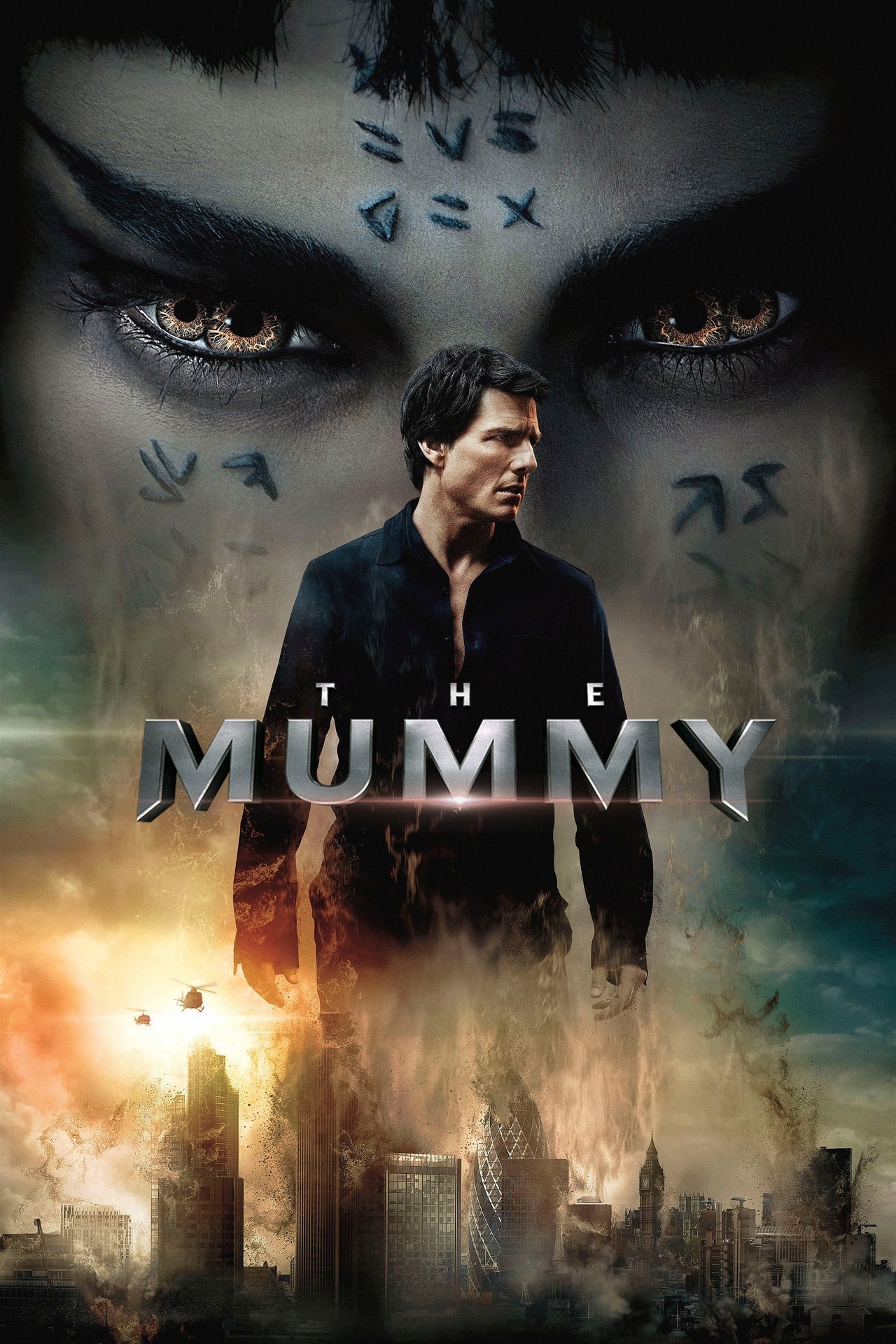
W.a.t.c.h The Mummy (2017) English Episodes Free Watch Online

The Mummy (2017) Full Movie Online Watch Free , English Subtitles Full HD, Free Movies Streaming , Free Latest Films.


Quality : HD
Title : The Mummy.
Director : Alex Kurtzman
Release : June 06, 2017
Language : en.
Runtime : 110 min
Genre : Action, Adventure, Fantasy, Horror, Thriller.

Synopsis :
‘The Mummy’ is a movie genre Action, Adventure, Fantasy, Horror, Thriller, was released in June 06, 2017. Alex Kurtzman was directed this movie and starring by Tom Cruise. This movie tell story about Though safely entombed in a crypt deep beneath the unforgiving desert, an ancient queen whose destiny was unjustly taken from her is awakened in our current day, bringing with her malevolence grown over millennia, and terrors that defy human comprehension.

Watch Full Movie The Mummy (2017)

So..do not miss to Watch The Mummy Online for free with your family. only 2 step you can Watch or download this movie with high quality video. Come and join us! because very much movie can you watch free streaming.

HD Quality for the movie Download The Mummy to watch online for free you have to get the TV screen for a bit or you want to watch The Mummy the movie in theater or to enjoy the full movie at your home either way if you have visited this page then that means you wanted to watch The Mummy online for free and here we have the best web portal to watch movies online without any registration or anything needed. Also without any ad all you need to do is just pay us for the subscription that you want to have to watch the full movie The Mummy and we will give you the link to watch The Mummy movie.

Incoming search term :

Watch The Mummy Online Putlocker
Watch The Mummy Online Viooz
Watch The Mummy Online Megashare
Watch The Mummy Online Free Putlocker
The Mummy Free Online
The Mummy Full Episodes Online
The Mummy Online Free Megashare
Watch The Mummy Online Putlocker
The Mummy English Full Episodes Free Download
Watch The Mummy Online Free Viooz
The Mummy English Full Episodes Online Free Download
The Mummy HD English Full Episodes Download
The Mummy HD Full Episodes Online
The Mummy Watch Online
Watch The Mummy Online Megashare
The Mummy English Episodes Free Watch Online
The Mummy English Episodes
Watch The Mummy 123movies
The Mummy Episodes Online
The Mummy Full Episode
Watch The Mummy Online Free megashare
Watch The Mummy Online Free putlocker
The Mummy English Full Episodes Download
The Mummy For Free online
The Mummy Episodes Watch Online
The Mummy Watch Online
The Mummy Episodes Online
Watch The Mummy Online Viooz
The Mummy English Full Episodes
The Mummy English Episode

The $3.8 Million Fill-Up

It takes about 7,000 tons of bunker-fuel to fill the tanks of a 5,000-container cargo ship for a trip from Shanghai to Los Angeles. Over the last year and half, the cost of that fuel has jumped 87% to $552 a ton, according to the World Shipping Council, boosting the cost of a fill-up to more than $3.8 million.

Below is a link to a recent LA Times article – “Envisioning a world of $200-a-barrel oil”

http://www.latimes.com/news/printedition/front/la-fi-oil28-2008jun28,0,2080126,full.story

The Science and Economics of Sustainability

John Holdren, Director of the Woods Hole Research Center, made this presentation at the Katoomba Meetings earlier this month. ” The Science and Economics of Sustainability: Managing the Competing Uses of Land, Water, and Forests Under a Changing Climate” offers an abundance of sobering information on the state of the global environment and makes suggestions on where and how to act.

John Holdren Presentation  

230 Million…and counting

This morning on National Public Radio I heard a report on worldwide major surgeries…and concern for errors (I guess you might say ‘errors and omissions’ – they forget to do things). There are 230 million major surgeries worldwide each year – one in twenty five people have a ‘major’ operation.

The report went on to say that hospitals are now instituting new procedures called ‘time outs’ before any surgery to go over a checklist. Is this the right patient? What are we doing? Do we have the right tools and materials?…etc. I worked as a surgical technician back in college days and I remember all we ever did is check to make certain we had the right patient. No equipment check, no making certain everyone on the team knows one another, no check to make certain we had the right prosthesis. It was a very well known hospital in a large metropolitan area.

I bring this up because there are many days when I can’t understand why we don’t have better methods broadly in place to analyze environmental impacts – the tools are available, the scientific data exists, the knowledge is precise. Why don’t we do this?

When I heard the NPR report I was shocked. It has been almost forty years since I was a surgical tech….and it’s still possible you might have a major operation without a set protocol to make certain they ‘get it right’.